Transforming Raw Materials into High-Value Fertilizer
Sustainability and efficiency increasingly go hand in hand in modern agriculture. One example comes from Southwestern Ontario, where raw materials with as little as 4% dry matter, much of it previously considered waste, are processed into premium fertilizer containing 95% dry matter and 70% organic matter. The result is a product that stands among the most effective and environmentally conscious fertilizers available in today’s market.
Returning Nutrients to the Soil
Much of the nutrient value in these fertilizers originates from food waste that would otherwise be sent to landfills. Once discarded, those nutrients are lost permanently. By repurposing them into fertilizer, valuable organic matter and micronutrients are returned to the soil to support future food production. The process is circular, regenerative, and essential for long-term sustainability.
Reducing Carbon Emissions with Local Sourcing
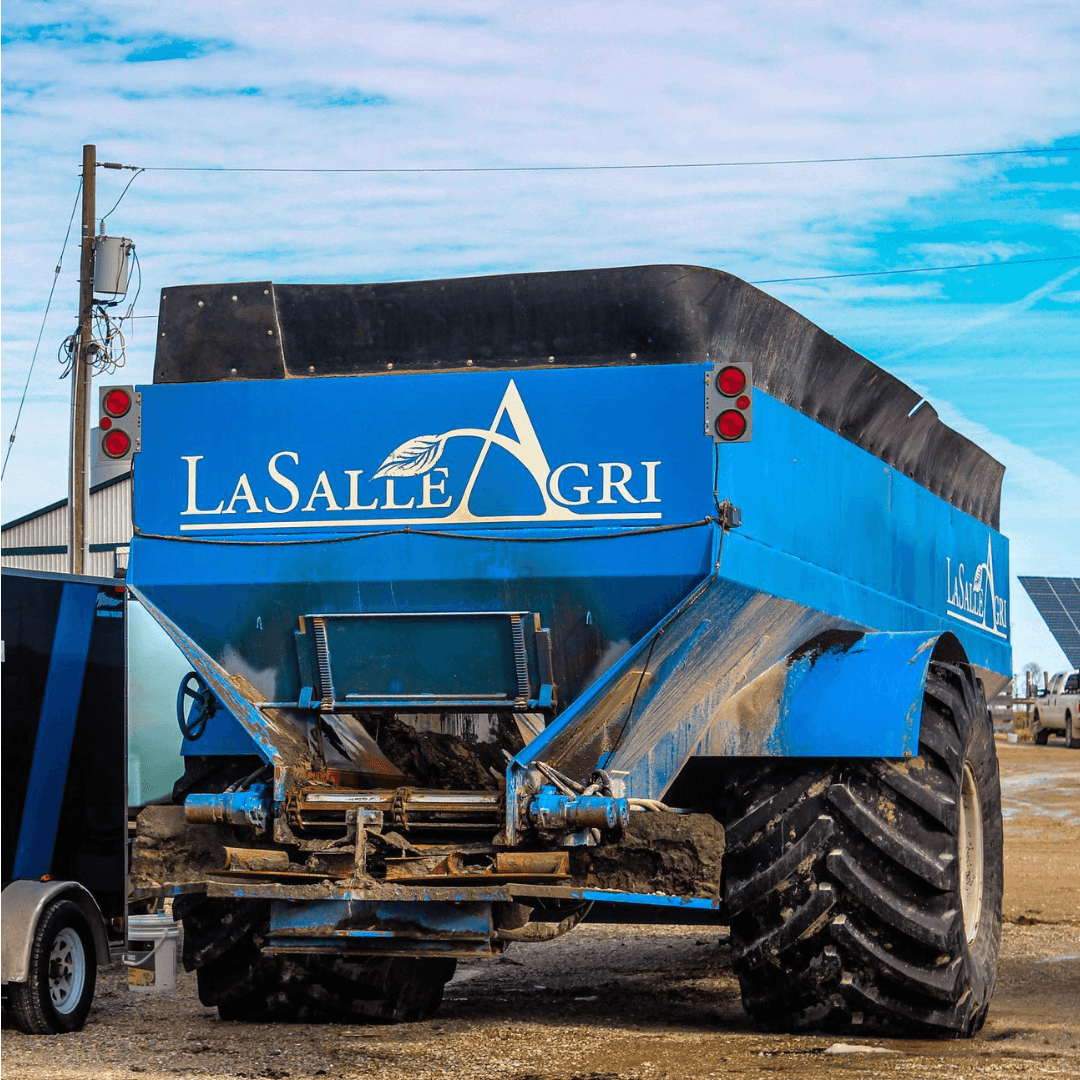
Another advantage comes from reducing the environmental costs of transportation. Importing commercial fertilizer from overseas carries a significant carbon footprint, shipping 1,000 tons of fertilizer from China, for example, produces nearly 100 tons of CO₂ emissions before even reaching inland farms. By sourcing raw materials domestically and from nearby U.S. partners, companies like LaSalle Agri cut transportation-related emissions while maintaining a reliable supply of certified fertilizer. This local approach supports farmers while easing the environmental impact.
Supporting Sustainable Farming in Southwestern Ontario
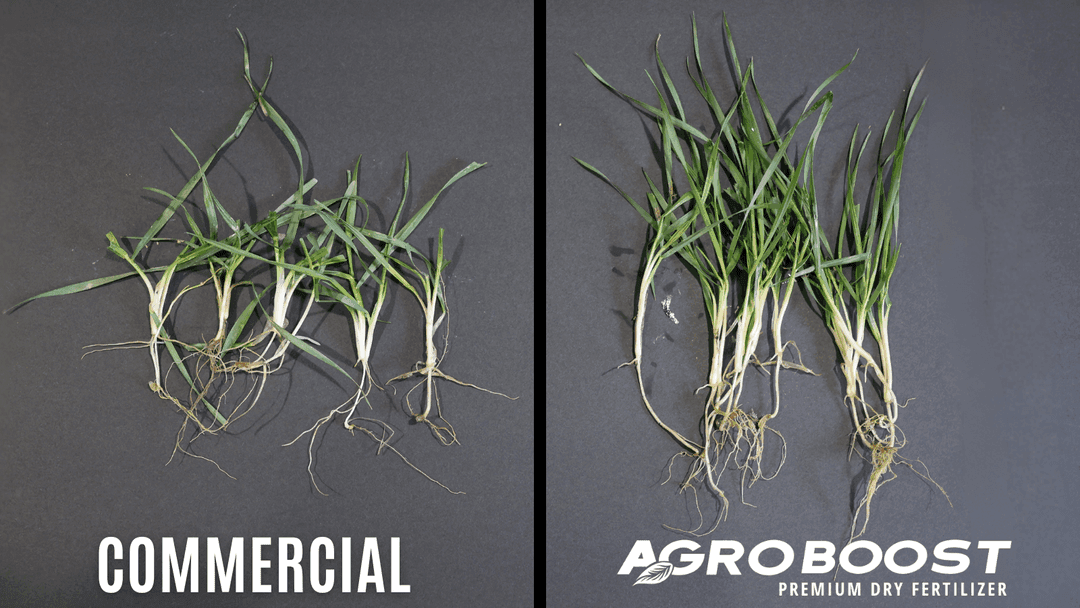
By upcycling food waste into high-value fertilizer, LaSalle Agri helps reduce landfill use, strengthen soils, and improve crop yields. Farmers in Southwestern Ontario and beyond benefit from a product that not only provides comprehensive nutrition but also aligns with broader sustainability goals: protecting the environment, reducing reliance on imports, and advancing circular resource use.
The Bigger Picture
Turning what was once considered waste into a nutrient-rich resource illustrates how innovation in fertilizer production can contribute to both farm productivity and environmental stewardship. As agriculture faces the dual challenge of feeding growing populations and protecting natural resources, approaches like this point to a more sustainable path forward.